Writing
Thought Pieces
Articles, insights, and perspectives on AI trends, ethics, and the future of technology.

April 30, 2026
Higher Education Is Building Graduates for a World That No Longer Exists But Professors can Pave the Way
Higher education is currently preparing graduates for a labor market that is rapidly disappearing. While institutions often move slowly, the real opportunity for change lies with professors who experiment with AI today. By shifting from rote testing to assessing human judgment and AI collaboration, educators can ensure students are actually ready for a world where learning never stops.
March 6, 2026
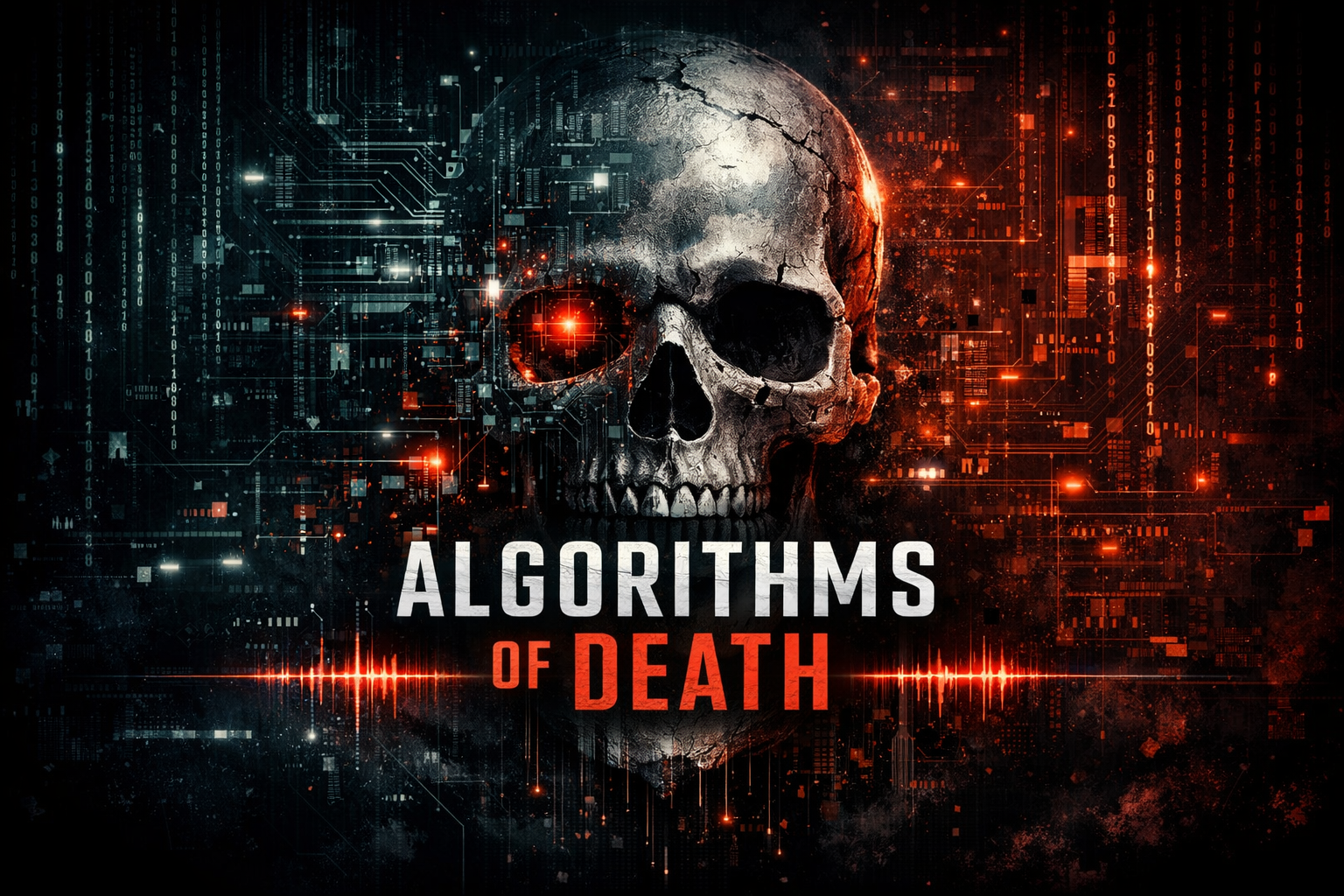
Algorithms of Death
The age of automated lethality is here, and the human cost is no longer a hypothetical scenario. In the early days of the March 2026 strikes on Iran, the Shajareh Tayyebeh girls' school in Minab was struck, killing 165 children and teachers. The algorithm apparently relied on a target bank dating back to 2013, when the site was a military facility, failing to recognize its transition to a civilian school over a decade ago.This tragedy follows the precedent set by the "Lavender" targeting system, which marked up to 37,000 individuals as targets with a documented 10% error rate. In these systems, human review is often reduced to a 20-second "rubber stamp," creating an accountability vacuum designed to prioritize operational speed over moral judgment. As generative AI becomes ubiquitous, the barrier to creating these error-prone "kill lists" has vanished, turning "maximum lethality over tepid legality" into an operational doctrine. We are not just witnessing a software error; we are witnessing the erosion of the human context that distinguishes a barracks from a school.
January 1, 2026
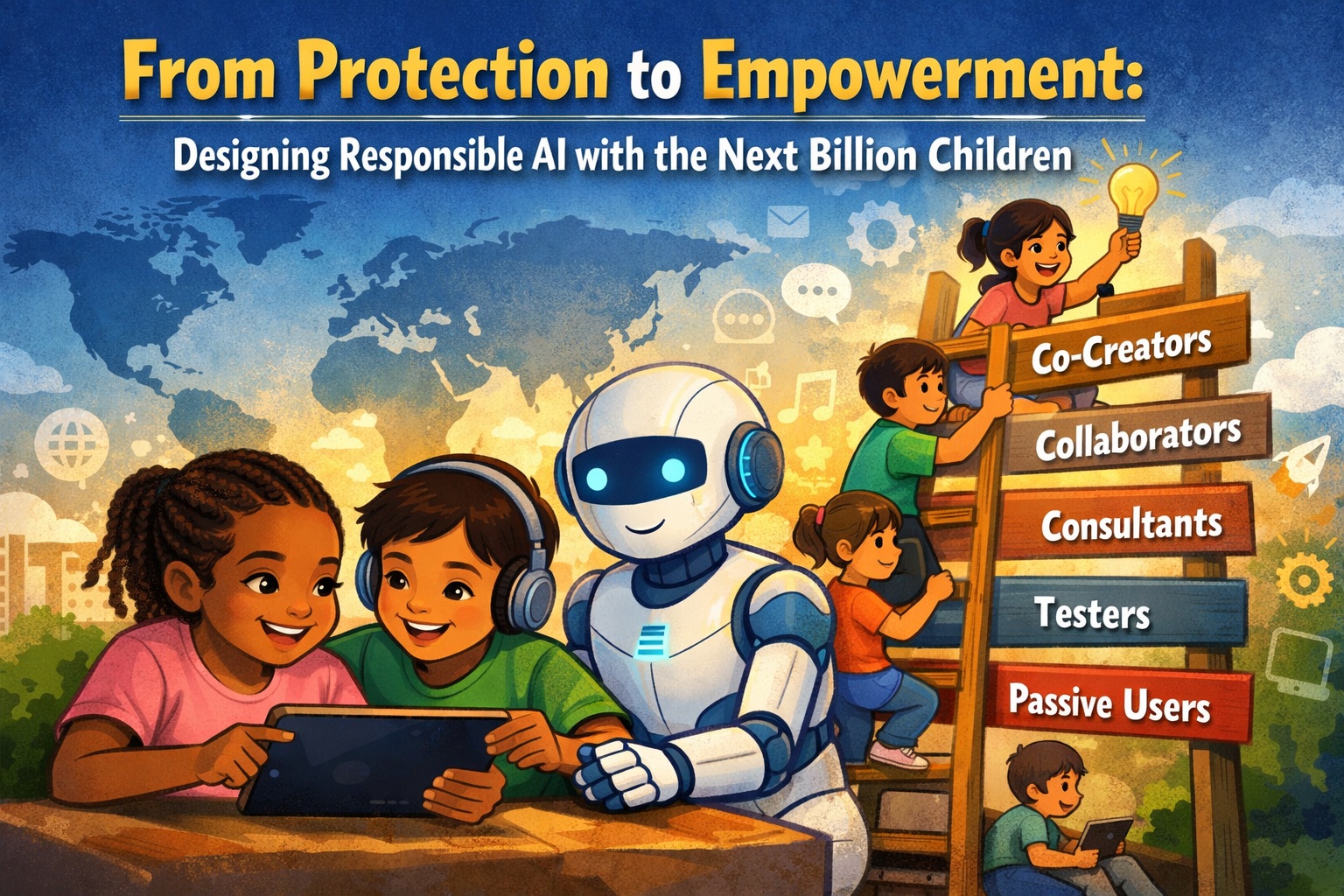
From Protection to Empowerment: Designing Responsible AI with the Next Billion Children
We are at a crossroads in the development of Artificial Intelligence. While AI offers incredible opportunities for learning and creativity, current design practices are often dangerously biased, creating systems that exclude or even harm marginalized communities in the Global South. The old paradigm of "Designing FOR Children" relies on a top-down, protectionist model that views the child as a passive user to be restricted and controlled. To build truly responsible AI, we must shift to a new paradigm: "Designing WITH Children". This bottom-up model recognizes children as active partners and co-creators who are experts in their own lives. By climbing the "ladder of empowerment," designers can move beyond treating children as mere testers and instead embrace them as equal members of the design team. The ultimate goal is not just a better product, but the psychological empowerment of the child—fostering their agency, critical thinking, and ability to genuinely influence their digital world.

December 1, 2025
Playbook: Growth in the AI era
I spend part of my time helping founders + teams figure out growth and marketing: and this past year, I’ve had to throw out my old playbook entirely. The stuff that used to work? Honestly… rapid adoption and reshuffling in the last couple of years has made half of it irrelevant. So for a recent talk, I sat down and rebuilt everything from scratch; a new, updated playbook for how growth actually works right now.
November 14, 2024
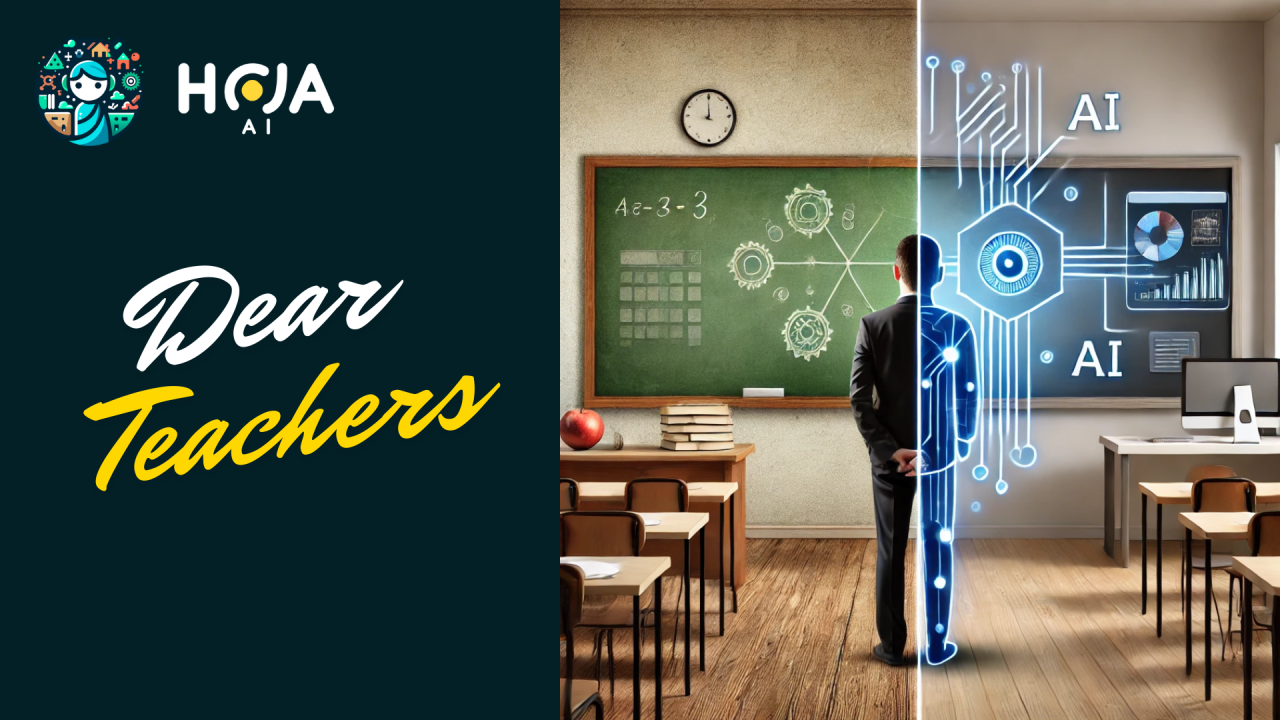
Open letter: Dear Teachers: AI Won't Replace Teachers, But Teachers Using AI Might
The shift toward Artificial Intelligence in education can feel uncomfortable, but clinging to the familiar while technology advances is a sure way to get left behind. AI is not a replacement for the human touch; rather, it is a powerful tool to amplify a teacher's empathy, intuition, and ability to inspire. While early AI was focused on administrative tasks like marking and scheduling, it is now transforming how we connect with students and personalize learning. By leaning in rather than resisting, teachers can use AI to crunch data, identify learning gaps, and eliminate the grind of lesson planning. The goal is to lead the change and steer the technology, ensuring that educators remain at the center of a richer, more engaging learning experience. At the end of the day, AI won't replace the teacher—but it will empower the ones who choose to use it to enhance their work.
October 8, 2024
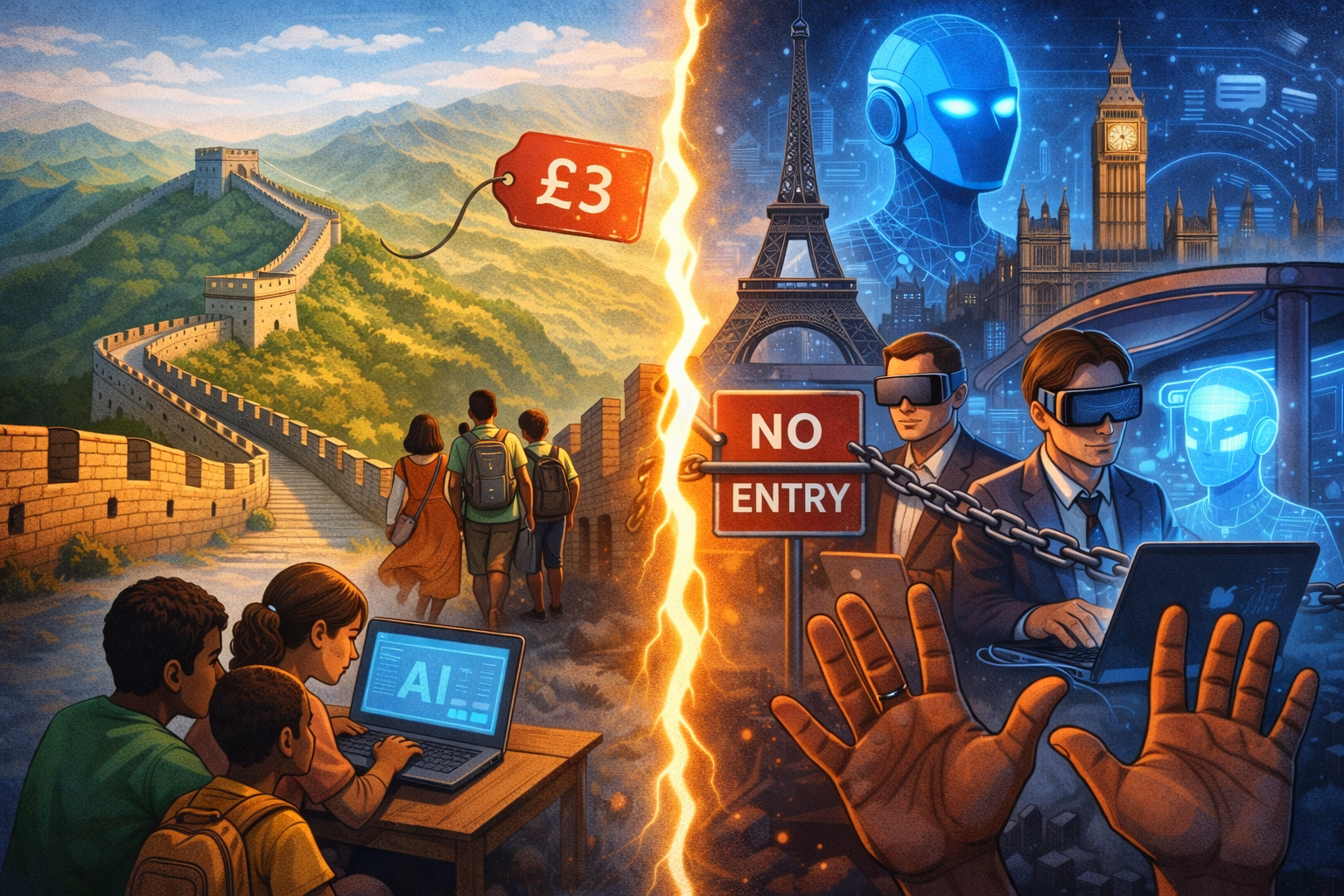
Why I was thinking of fairness in AI while atop the Great Wall
A striking contrast exists between the accessibility of the Great Wall of China—costing a mere £3—and the high prices of European landmarks like the Eiffel Tower or the UK Parliament. This price gap serves as a powerful metaphor for the emerging divide in Artificial Intelligence. While advocates point to reports claiming AI will create 97 million new jobs by 2025, the real concern is who will benefit from them. High-level AI tools are increasingly locked behind subscription models or tied to expensive hardware, creating a two-tier system where only the wealthy and educated can thrive. This "digital divide" is not just about cost; it is about infrastructure and data. Most AI models are built in the Global North, trained on Northern data, and require advanced digital literacy. Without coordinated global action to lower barriers and make AI education accessible, we risk a future where the Global South and underserved communities are left behind, trapped in a cycle of displacement and exclusion. Just as cultural heritage is made accessible to the masses, AI must be fostered as a tool for global opportunity rather than a driver of inequality.

August 23, 2024
Ethical concerns raised by the latest Grok 2 release: AI images and likeness
The launch of Grok 2 by Elon Musk’s xAI has ignited a fierce debate, positioning impressive real-time social media analysis against a backdrop of deep ethical concerns. The platform’s primary controversy lies in its near-complete lack of safeguards for image generation—a sharp departure from the stringent protocols seen in competitors like DALL·E 3. This "unrestricted" approach has already fueled a surge in realistic deepfakes of political figures and copyrighted characters, often lacking any watermarks or disclaimers to identify them as AI-generated. These capabilities present a direct threat to the integrity of digital discourse, especially during sensitive periods like election cycles. Beyond the legal risks of copyright infringement, the proliferation of such content risks eroding public trust and making it nearly impossible to distinguish fact from fiction. To prevent AI from becoming a tool for misinformation, the tech industry must prioritize robust ethical frameworks, including mandatory watermarking and transparent content moderation. Only through a commitment to accountability can we ensure that innovation serves as a force for good rather than a catalyst for societal harm.
August 1, 2024
What recent events should remind us about AI
The dual threats of political manipulation and social incitement have reached a boiling point, as seen in the recent dissemination of high-profile deepfakes and AI-fueled misinformation following the Southport tragedy. When figures with immense reach share stripped-down parody videos as legitimate content, the line between satire and subversion disappears, threatening the very core of democratic discourse. Even more alarming is AI’s capacity to exacerbate real-world violence by lending a veneer of credibility to false narratives during times of social tension. These incidents are not mere "glitches" in the system; they are evidence of a systemic failure to prioritize accountability over engagement. To prevent AI from becoming a permanent tool for destabilization, we must move beyond voluntary guidelines toward strict regulatory measures. This includes holding both creators and platforms legally responsible for the spread of harmful, unlabelled synthetic media. By advocating for transparent development and public literacy, we can protect social stability and ensure that AI remains a tool for progress rather than a weapon for division.
April 7, 2024
Gen AI & the unforeseen dangers of DE&I missteps
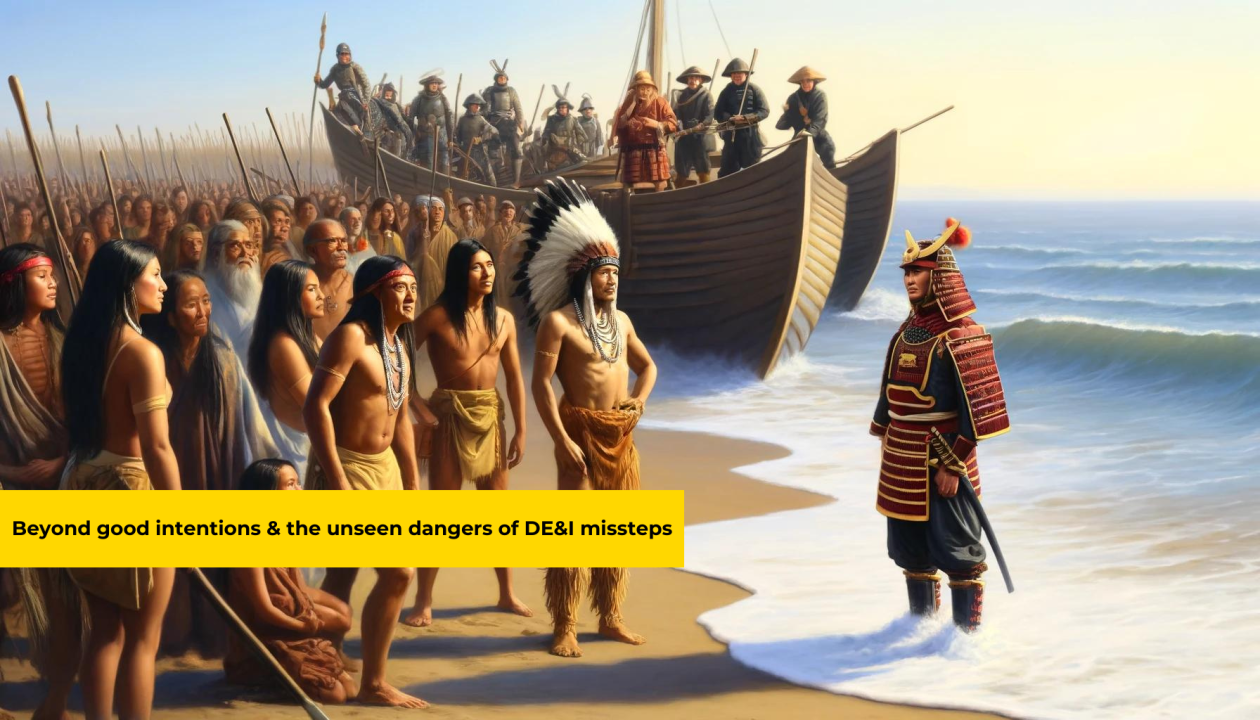
The quest for inclusive AI is far more complex than simply "requesting" inclusivity from emergent models. As seen in recent industry controversies, such as the Google Gemini episode, well-intentioned attempts to rectify underrepresentation can backfire if they prioritize diversity over historical or cultural accuracy. When AI generates historically inaccurate depictions—like diverse Nazi-era soldiers or a Black woman as the pope—it risks erasing historical truth and alienating the very communities it aims to serve. True inclusivity requires a holistic approach that moves beyond "myopic" quick fixes. This includes comprehensive dataset curation that critically examines for biases, active community engagement to understand the nuances of identity, and a steadfast commitment to ethical transparency. At Hoja AI, the mission to democratize education is rooted in the belief that AI should not just personalize learning, but do so with a deep respect for the "rich tapestry of human experience"—serving as a bridge that connects, rather than distorts, diverse voices.
March 24, 2024
Leveling the playing field: the quest for inclusive AI in education
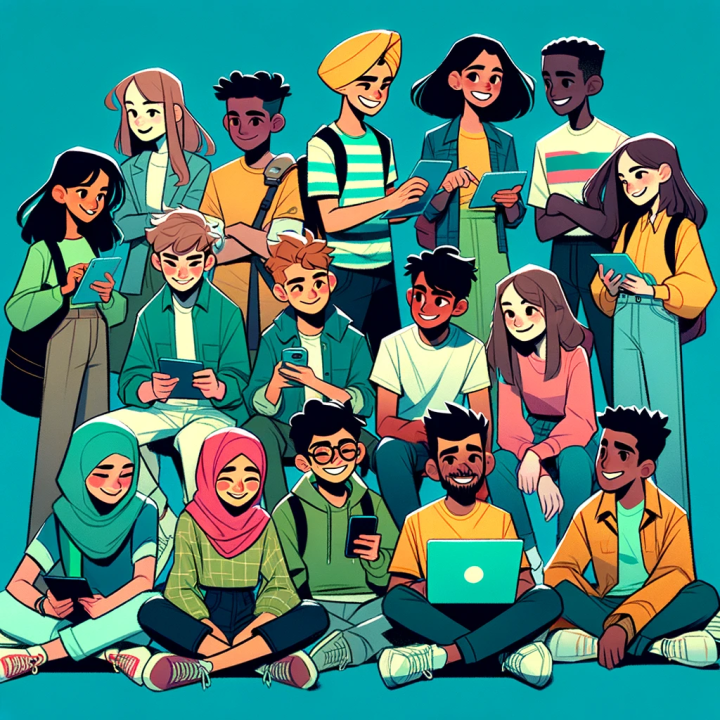
At Hoja AI, the vision to democratize education is met with a sobering reality: generative AI models often carry deep-seated biases that reflect existing societal inequities. A recent experiment with DALL-E, generating over a hundred "scientist" characters, revealed a staggering lack of diversity: 110 white males compared to just one Black male and zero representations for Black females, other ethnicities, or religious attire. This disparity is a stark indicator of the ethical challenges inherent in current datasets. To bridge educational gaps, AI must resonate with learners from all backgrounds. For Hoja AI, this is not just an ethical imperative but a core mission. Moving forward requires a commitment to "mindful innovation"—collaborating with global experts to gather inclusive datasets and building models that act as a "beacon for good". By addressing these biases head-on, technology can finally serve as a tool for genuine inclusion and equality